Home / Painting Homes in Redhawk and Other Temecula Planned Neighborhoods
Painting Homes in Redhawk and Other Temecula Planned Neighborhoods
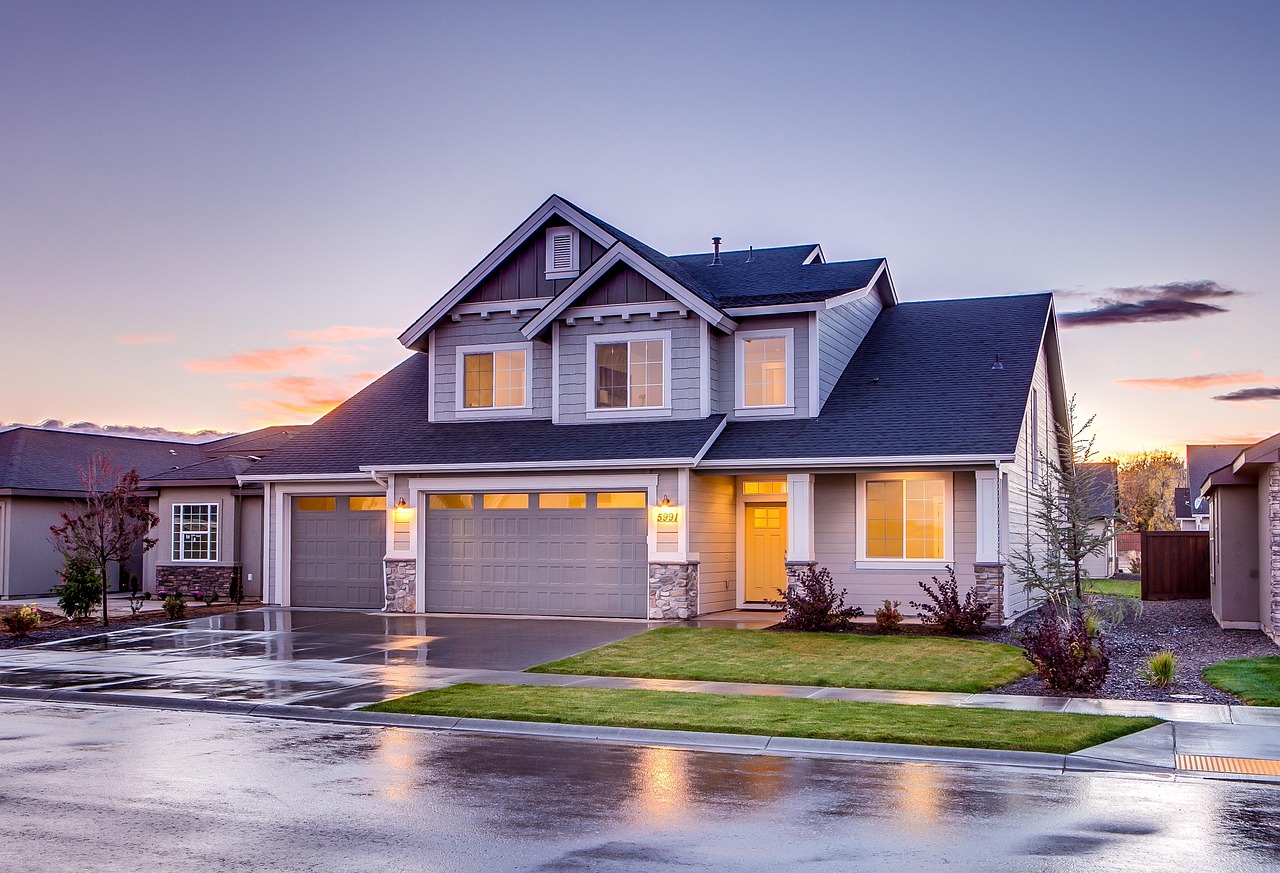
Repainting a house in Redhawk or another Temecula planned community follows a fairly predictable sequence: read the association guidelines, choose colors from the approved options, submit an application, wait for approval, schedule the crew, notify neighbors, then paint and close out the request. Skipping any of those steps is the most common way owners end up with a violation letter or a wall they must redo. The painting itself is similar to any exterior job in the Inland Empire. What changes is the paperwork, the timing and the fact that dozens of nearby houses share a look the community wants to keep.
What Makes Planned Communities Different
Redhawk is one of the best known master planned communities in Temecula, with curving streets, parks, trails and homes built in coordinated phases. Other planned neighborhoods across the city and in nearby Murrieta follow the same model. When the developer laid out these areas, they wrote covenants and architectural guidelines to keep a consistent appearance as homes changed hands.
Those guidelines usually cover exterior colors, roof materials, fences, landscaping and visible additions. Exterior painting falls squarely inside them. In most cases an owner needs written approval before repainting, even if the new color is close to the old one. The details vary by community and sometimes by sub-association within a larger area, so the governing documents for a specific street are the only reliable source.
Understanding Color Rules in General Terms
Associations rarely let owners pick any color from a fan deck. More often they publish an approved palette or a set of color schemes, each one combining a body color, a trim color and an accent for doors or shutters. Common features of these programs include:
- Scheme matching by home design. A house with Spanish detailing may be limited to warmer earth schemes, while a craftsman elevation in the same tract gets a different set.
- Neighbor spacing. Many guidelines prevent adjacent homes, or homes directly across the street, from using the same scheme, so the block does not read as identical boxes.
- Limits on bright or very dark colors. Highly saturated hues and near-black body colors are often excluded.
- Rules for garage doors and front doors. Some communities require garage doors to match the body or trim, while front doors may allow a bolder accent.
Owners should not rely on what the house is painted now. Previous owners sometimes painted without approval, and repainting the same unapproved color does not make it compliant.
The Approval Process Step by Step
- Get the current guidelines and color palette from the association management office or resident portal. Ask whether any changes were adopted recently.
- Choose a scheme and confirm the neighbors on each side and across the street are not using it.
- Paint test patches on the house if the guidelines allow. Some committees want to see the colors in place before deciding.
- Complete the architectural application. Typical requests include the color names and codes, which surfaces get which color, a photo of the home, and the painter's information.
- Wait for a written decision. Review committees often meet on a monthly schedule, so approval can take several weeks.
- Schedule the job only after approval arrives, and keep a copy of the approval letter on site.
- Notify the association when the work is finished if the guidelines require a final inspection.
Building that waiting period into the plan matters. An owner who books a painter for next week and then learns the committee meets in a month either loses the slot or paints at risk.
Scheduling Around the Season and the Neighborhood
Temecula's hot dry summers, the morning marine layer of late spring, and the Santa Ana winds of fall and winter all shape when exterior paint goes on well. In a planned community there are extra scheduling factors.
Association rules often set working hours for contractors, commonly limiting noise and activity to daytime on weekdays with shorter windows on weekends. Crews should know these hours before they arrive. Pressure washing, scraping and spraying make noise and can drift, so a considerate start time keeps relations calm with the people next door.
Some associations also run their own repaint programs for shared walls, perimeter fences or common buildings. If the community is repainting its walls the same season, owners may want to coordinate colors or timing with that work.
Working Close to Neighbors
Lots in many planned tracts are narrow, and side yards between houses may only be a few feet wide. That closeness creates specific concerns during a repaint.
- Overspray. Spray equipment can carry mist onto a neighbor's car, windows or wall, especially on a breezy afternoon. Careful masking, shields and brushing or rolling in tight side yards help.
- Access. Painting a side elevation sometimes means setting a ladder near the property line. A friendly conversation beforehand avoids surprises.
- Parking. Work trucks on narrow streets can block mailboxes or driveways. Some communities limit street parking for commercial vehicles.
- Shared walls and fences. Block walls between lots may belong to both owners or to the association. Painting one side of a shared wall in a new color usually needs agreement, and sometimes approval.
A short note left at nearby doors a few days ahead, with the dates and the name of the person in charge on site, goes a long way.
Repeat Maintenance Expectations
Planned communities do not just govern new colors. Many guidelines also require owners to keep exteriors in good condition, and associations periodically walk the neighborhood and send notices for faded, peeling or stained paint. In Temecula's strong sun, south and west walls and wood trim tend to draw those notices first.
A few habits keep a house in good standing between full repaints:
- Wash dust and sprinkler stains off the lower walls each year, since the base of stucco is often where discoloration starts.
- Touch up fascia boards, garage door trim and window sills when the paint begins to crack.
- Keep a record of the approved color names and codes so touch ups match exactly. Retail paint stores can usually keep the formula on file under the address.
- Watch iron railings and light fixtures for rust that can streak onto stucco.
When the time comes for a full repaint, the same approval process applies again, even if the owner plans to use the identical scheme. Some associations allow a simpler form for a same-color repaint, but it is still worth asking.
Choosing Exterior Painters in Temecula for an Association Project
Owners in Redhawk, near Old Town Temecula, or in communities stretching toward Vail Lake benefit from hiring exterior painters who have handled association work before. Useful questions include:
- Has the contractor painted homes in this specific community, and are they familiar with its review process?
- Will they help prepare the color submission with accurate color names and a surface by surface breakdown?
- How do they protect neighboring property in narrow side yards?
- Do they work within the community's allowed hours?
- Do they carry the state license and insurance that Riverside County homeowners should expect, and can those be verified?
A painter who treats the approval letter, the neighbors and the schedule as part of the job, not as the owner's problem, usually delivers a smoother project. The finished house then fits the street, satisfies the committee and holds up through the next round of Temecula summers.