Home / Repainting Tuscan and Mediterranean Style Homes in Temecula
Repainting Tuscan and Mediterranean Style Homes in Temecula
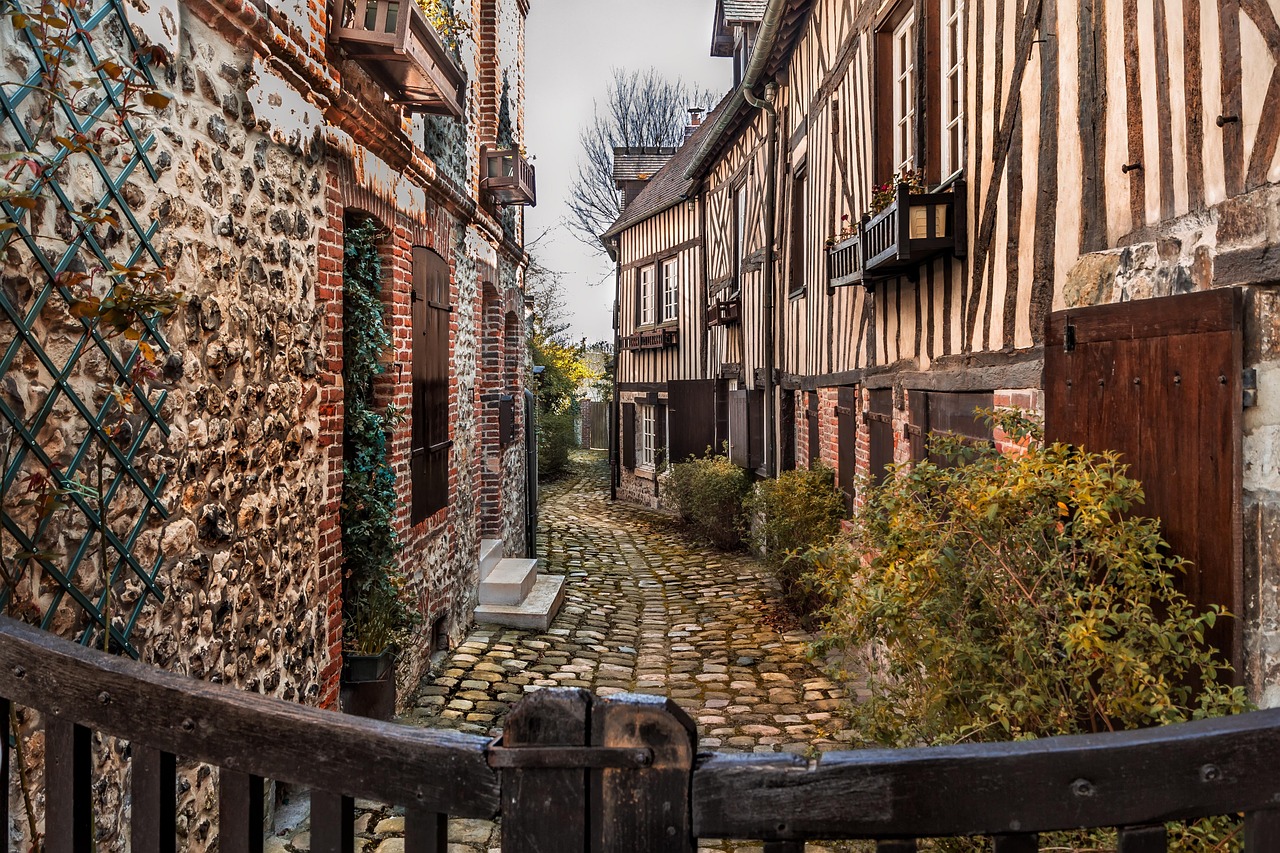
A common assumption is that repainting a Tuscan or Mediterranean style house means picking one beige and rolling it over everything. Owners who try that often end up with a home that looks flat and a little cheap, because the style depends on layered warm color, visible texture and contrast between plaster, iron and timber. Around Temecula, where these homes line streets from the foothills to the edge of the vineyards, house painters who do this work well treat each material as its own project. This guide explains what makes the style distinct and how to repaint it so it keeps its character.
Why the Style Is So Common Around Temecula
Much of Temecula's housing went up during decades when Old World styling was in fashion across Southern California. Builders leaned on red clay or concrete tile roofs, arched entries, stucco walls in sandy and ochre hues, and dark metal accents. The look also fits the setting. Temecula Valley Wine Country, with its rolling vineyards and estate wineries, draws on the same Mediterranean imagery, and many homeowners want their houses to echo that landscape.
The climate supports the style as well. Thick stucco walls and tile roofs suit a hot semi-arid region with long dry summers. Those same conditions, however, are hard on finishes. Strong sun fades warm pigments, Santa Ana winds blast grit across walls, and wood beams dry and split. A repaint has to respect both the design and the weather.
Getting Warm Colors Right
Tuscan and Mediterranean palettes draw from earth: terracotta, sienna, ochre, golden wheat, olive and muted clay. These colors look rich in a sample chip and can turn muddy or orange on a large wall in full afternoon light. A few habits help homeowners choose well.
- Test large samples on the actual wall. Paint swatches of at least a couple of feet square on more than one side of the house and look at them morning, noon and evening.
- Read the undertone. A tan with a pink undertone will clash with a roof tile that leans orange. Hold samples against the roof, the stone veneer and any iron before deciding.
- Use three related colors rather than one. A body color, a slightly deeper accent for recessed areas or trim bands, and a dark tone for doors or shutters create the depth this style needs.
- Favor pigments that resist fading. Earth tones built on iron oxide pigments generally hold up well outdoors. Very saturated reds and yellows can lose strength faster in strong sun.
Many homes near Redhawk or in other planned areas of the city must also pass an association color review. Checking those rules before buying paint saves a costly redo, and the approved palette often includes several warm Mediterranean options.
Repainting Textured Stucco Without Losing the Texture
Stucco on these homes is rarely smooth. Hand-troweled finishes, sand textures and heavier lace patterns give walls the aged look the style aims for. Repainting has to protect that relief rather than bury it.
The first step is cleaning. Dust from the valley lodges deep in textured stucco, along with spider webs and mineral deposits from sprinklers. A gentle wash with a garden hose and soft brush, followed by full drying, gives the new coat a sound surface. Aggressive pressure washing can erode soft stucco or force water behind it.
Repairs come next. Patches should match the surrounding texture, or they will show through the paint as smooth islands on a rough wall. Skilled painters feather patching compound and dab or sponge it to mimic the original pattern before priming.
For application, spraying followed by back-rolling is a common approach on heavy textures. The sprayer reaches into every recess and the roller pushes paint into the surface so it bonds rather than resting on top. Too thick a coat fills the texture and can crack as the wall heats and cools, so two moderate coats are usually better than one heavy one.
Limewash and Venetian Plaster as Alternatives
Some owners want a more authentic Old World surface than standard acrylic paint gives. Limewash, a mineral finish made from slaked lime and natural pigment, soaks into porous masonry and dries to a soft, mottled look that resembles weathered villas. It needs bare, absorbent stucco or masonry to work, so it cannot go over an existing acrylic coat without special preparation, and it wears gradually and needs renewing over time.
Venetian plaster is another option, mostly for interior walls or covered exterior areas such as loggias and entry niches. Thin layers of lime plaster are troweled on and burnished to a stone-like sheen. It is labor intensive and best left to a specialist, but it can give an entry or great room the polished depth people associate with the style.
Wrought Iron Accents
Iron railings, balcony rails, window grilles, gates and light fixtures are a signature of Mediterranean houses. They are also the parts that look worst when neglected, since rust streaks run down onto the stucco below.
- Remove loose rust and flaking paint with a wire brush or abrasive pad until the surface is firm.
- Where light surface rust remains bonded, a rust converter can turn it into a stable layer that accepts primer. Heavy, scaly corrosion should be removed instead.
- Apply a rust-inhibiting metal primer, paying extra attention to edges, welds and the undersides of rails where water sits.
- Finish with a durable exterior enamel. Satin black, oil-rubbed bronze tones and deep charcoal suit the style.
Protect the stucco while working on iron. Drop cloths and careful masking keep dark primer and enamel off light walls, and they prevent rust dust from being ground into fresh paint.
Wood Beams, Corbels and Doors
Exposed rafter tails, decorative corbels, beams over garage doors and heavy entry doors add warmth to these homes. In Temecula's dry heat, wood loses moisture, checks and grays quickly once its coating fails.
A homeowner should first decide whether the wood is meant to be painted or stained. Many Mediterranean designs show dark stained beams against light stucco. Restoring that look means cleaning and sanding the wood, filling large cracks with a flexible wood filler, and applying an exterior wood stain. Semi-transparent stains let grain show but need renewal more often in strong sun. Semi-solid and solid stains hide more of the grain and tend to last longer.
If beams were painted, scrape loose paint, sand edges smooth, prime bare spots and repaint with a flexible exterior acrylic in a color that relates to the iron or door tones. Matching beams, corbels and shutters ties the façade together.
Tile Roofs, Trim and the Finishing Details
Roof tiles are not usually painted, but they influence every other color choice. Fascia boards, eaves and gutters often sit right next to the tile, so their color should bridge the roof and the walls. Gutters painted to match the fascia disappear, while gutters painted the body color can look like stripes.
Small elements finish the look: mailbox posts, exterior lamps, the band around an arched window, and the base of columns. A careful painter treats these with the same attention as the main walls.
Planning the Project
Because a Tuscan or Mediterranean repaint involves stucco, metal and wood, it usually takes longer than repainting a simple ranch house. Work goes best in mild weather, avoiding the hottest midsummer afternoons and any days with Santa Ana wind warnings. Owners in Murrieta, near Vail Lake, or anywhere in western Riverside County face the same seasonal limits.
When comparing house painters in Temecula, homeowners should ask how each one handles texture matching, iron preparation and stained wood, and whether those items are listed separately in the written proposal. A contractor who can describe each material's process clearly is far more likely to deliver a home that looks warm, layered and true to its style once the scaffolding comes down.